Hearing that your child may need braces can bring up a mix of emotions. Some parents feel relieved that a problem has been identified early, while others immediately start wondering which treatment option is best. The right type of braces depends on your child’s dental needs, lifestyle, and comfort level.
Early evaluations are often recommended around age seven, as they can help detect bite and alignment concerns before they become more challenging to address. If you want braces for kids La Mesa, consider booking an appointment at Dr. Surillo’s Pediatric Dentistry & Orthodontics. A comprehensive discussion with their experienced team will help you learn the best options for the specific needs of your child.
Start With a Professional Evaluation
Children often start treatment later, after their permanent teeth have erupted; however, an early assessment can help create a clear plan.
Watch for signs such as:
- Crowded or crooked teeth
- Large gaps between teeth
- Difficulty chewing
- Bite problems
- Mouth breathing or jaw discomfort
Understand the Different Types of Braces
Several orthodontic options are available today. Each has its own advantages.
Traditional Metal Braces
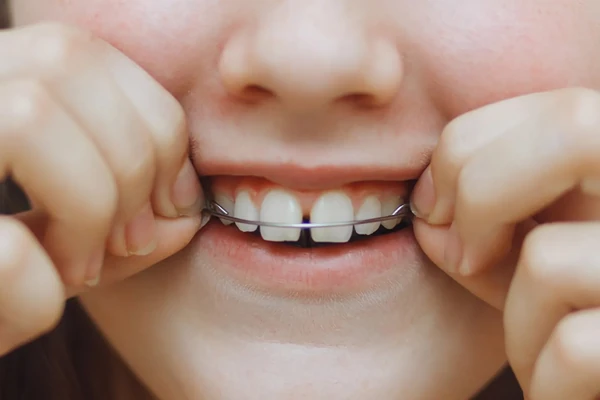
Traditional braces are always considered the most effective solution for treating complex orthodontic issues. They use metal brackets and wires to gradually move teeth into the proper position. Many kids actually enjoy choosing colorful elastic bands, which adds a bit of personality to the process.
Clear Aligners
Clear aligners such as Invisalign use removable, transparent trays to straighten teeth. They are popular among older children and teens who prefer a less noticeable treatment option. Since the aligners can be removed, brushing and eating are often easier.
Damon Braces
Damon braces work similarly to traditional braces but do not rely on elastic ties to hold the wire in place. This design can make them feel more comfortable for some patients.
Lingual Braces
Lingual braces are attached behind the teeth rather than the front. They are much less visible, which can appeal to children who feel self-conscious about wearing braces.
Consider Your Child’s Personality
This part is often overlooked. A treatment that looks great on paper may not be the best fit in real life.
Ask yourself:
- Is my child responsible enough to wear removable aligners as directed?
- Are they concerned about appearance?
- Will they be comfortable maintaining extra oral hygiene routines?
- Can they follow food restrictions if required?
Being honest about your child’s habits can save a lot of frustration later.
Think Beyond Appearance
It is easy to focus on how braces look, but their purpose goes much deeper. Properly aligned teeth are generally easier to clean and may help reduce future dental problems. Good orthodontic treatment can also improve bite function, speech, and overall confidence.
Final Thoughts
Choosing braces for your child is not about finding the newest or most popular option. It is about finding the treatment that best matches their dental needs, comfort level, and daily routine. With guidance from an experienced orthodontist and plenty of support at home, your child can move toward a healthier smile with confidence. Sometimes that journey feels a little overwhelming at first, but the long-term results are usually well worth it.