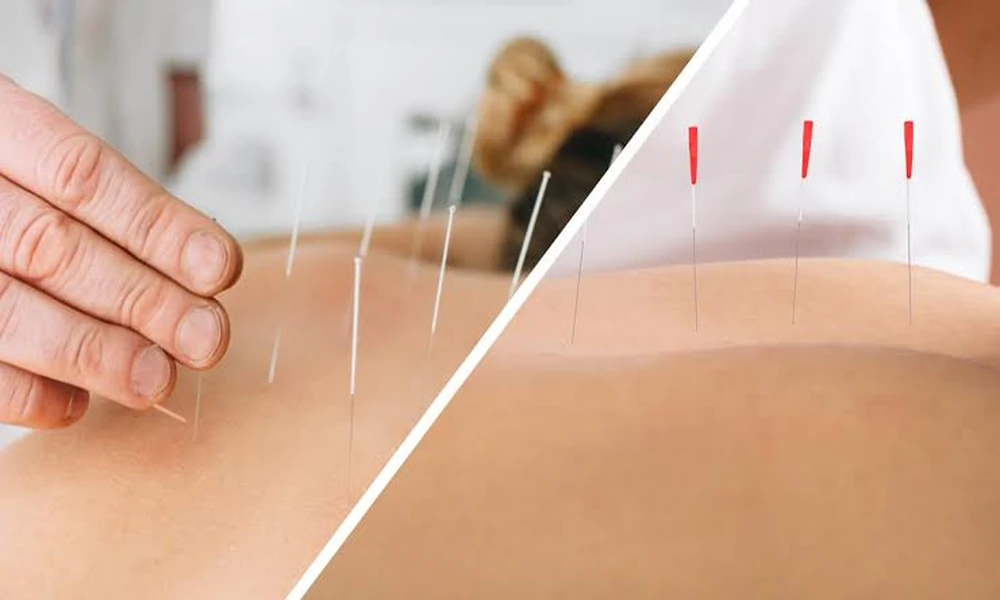
Both techniques use thin needles inserted into the body, which leads many patients to assume they are essentially the same practice under two different names, when in fact the difference between dry needling and traditional acupuncture runs considerably deeper than the shared needle, extending to their theoretical basis, training pathway, and the specific conditions each is typically used for.
Why the Two Are Often Confused
The visual similarity, both involve fine needles inserted into the skin, is enough to make many people assume the two practices are interchangeable, particularly since both are sometimes offered within the same clinic or by practitioners with overlapping training. This surface-level similarity obscures meaningful differences in what each technique is actually trying to achieve and how. Looking past the shared needle toward the actual method reveals how different the two really are.
Underlying Theoretical Basis: Where They Diverge
Traditional acupuncture is rooted in the concept of energy flow along defined meridians, with needle placement guided by this traditional framework. Dry needling, by contrast, is grounded in Western musculoskeletal anatomy, targeting specific trigger points within muscle tissue based on a physiological rather than energy-based rationale. This divergence in underlying theory is the fundamental distinction from which most of the other practical differences follow. Understanding this one distinction makes most of the remaining differences easier to follow.
Needle Placement: Trigger Points Versus Meridian Points
Dry needling targets specific, palpable trigger points within a muscle, identified through physical assessment of tightness and tenderness, while traditional acupuncture follows meridian points defined by traditional theory, which do not necessarily correspond to areas of muscular tension at all. A practitioner’s approach to locating needle placement is therefore one of the clearest practical signals of which technique is actually being performed.
Training and Practitioner Background Differences
Dry needling is typically taught as an additional technique within a musculoskeletal-focused training background, physiotherapy or chiropractic, for instance, while traditional acupuncture generally involves its own dedicated, separate training pathway grounded in traditional Chinese medicine theory. Asking a practitioner directly about their specific training for the technique being offered clarifies which discipline’s training pathway they actually followed. This is a reasonable question regardless of how confident the practitioner otherwise appears.
What the Evidence Says About Each Approach
Current research on dry needling for musculoskeletal trigger points shows some supportive evidence for short-term pain relief in specific presentations, while research on traditional acupuncture is more mixed and varies considerably depending on the specific condition being studied. Patients considering the difference between dry needling and traditional acupuncture should ask specifically what evidence supports its use for their particular condition, rather than assuming either technique is uniformly well supported across every possible application.
Sensation and Session Experience Compared
Dry needling often produces a distinctive twitch response and a dull ache as the needle reaches a trigger point, sometimes followed by mild soreness afterward, while traditional acupuncture is generally described as producing a milder, less pronounced sensation with less post-session soreness reported. Neither experience is inherently better or worse, but knowing what to expect from each helps set realistic expectations before a first session.
Typical Conditions Each Approach Is Used For
Dry needling is more commonly used specifically for musculoskeletal complaints involving identifiable trigger points, muscular tightness contributing to neck, shoulder or back discomfort, for instance. Traditional acupuncture is used across a considerably broader range of complaints within its own framework, extending beyond purely musculoskeletal issues in ways that reflect its different underlying theoretical basis.
Can They Be Used Together?
Some patients do use both approaches, either concurrently or at different points in managing an ongoing issue, though this should be discussed openly with any practitioner involved rather than pursued independently without coordination. A practitioner aware of all treatments a patient is currently receiving is better positioned to advise sensibly on how, or whether, to combine the two approaches. Withholding this information from a practitioner rarely serves the patient’s own interests.
How to Ask a Practitioner Which You’re Actually Receiving
Simply asking a practitioner directly, ‘is this dry needling or traditional acupuncture, and why is this the right choice for my condition’, clarifies both the technique being used and the reasoning behind it in a single question. A practitioner who cannot answer this clearly is either unclear on the distinction themselves or has not fully explained their reasoning to the patient.
Choosing Based on What You Actually Need
Understanding the underlying theory, training pathway, and evidence base behind each technique helps a patient make a genuinely informed choice rather than assuming the two are interchangeable simply because both use a needle. Learning the difference between dry needling and traditional acupuncture before a first session, rather than discovering it only afterward, helps set expectations that genuinely match what is actually being offered.