A good pair of glasses can last for years if they’re looked after properly, but that doesn’t necessarily mean they should. Your eyesight can change gradually, frames experience daily wear, and lens technology continues to improve. Replacing your glasses isn’t simply about appearance. It’s about making sure you’re seeing as clearly and comfortably as possible.
So, how often should you replace your prescription glasses? The answer depends on several factors, including changes in your vision, the condition of your frames and lenses, and how you use them.
Your prescription may have changed
The most important reason to replace your glasses is a change in your eyesight. Vision often changes gradually, making it surprisingly easy to adapt without noticing. You may find yourself holding your phone further away, squinting when reading signs, or feeling more tired after working on a computer.
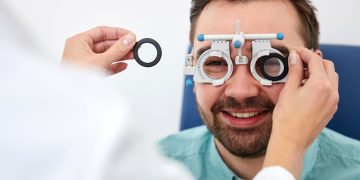
For most adults, an eye test every two years is recommended, although your optician may suggest more frequent appointments depending on your age, eye health, or existing conditions. If your prescription has changed, continuing to wear an outdated pair of glasses can lead to headaches, eye strain and reduced visual comfort.
Even a small adjustment in your prescription can make everyday activities feel noticeably easier.
Wear and tear adds up
Glasses go almost everywhere with us. They’re taken on and off countless times each day, cleaned regularly, carried in bags, and occasionally dropped. Even if they still look presentable, small signs of wear can affect how well they perform.
Scratched lenses can reduce clarity and increase glare, while loose hinges may cause your glasses to slip out of position. Bent frames can alter how the lenses sit in front of your eyes, affecting both comfort and vision.
If repairs are becoming frequent, replacing your glasses is often a more practical long-term solution.
Lens technology continues to improve
Not everyone replaces their glasses because something is wrong. Sometimes the biggest benefit comes from newer lens technology.
Modern lenses often include coatings that reduce reflections, resist scratches more effectively and make cleaning much easier. There are also options that provide better protection against UV rays and improve comfort when spending long periods using digital devices.
If your current pair is several years old, newer lenses may offer a noticeably better experience even if your prescription hasn’t changed.
Your lifestyle may have changed
The glasses that suited you five years ago may not suit the way you live today.
Perhaps you’ve started driving more frequently, spend longer working on multiple screens, or have taken up outdoor activities where lightweight frames and sun protection have become more important. Different situations place different demands on eyewear.
Many people also choose to keep more than one pair, such as everyday glasses alongside prescription sunglasses or a dedicated pair for work.
Children often need replacements more frequently
Children’s eyes develop as they grow, which means prescriptions can change more quickly than those of adults. They’re also generally harder on their glasses through school, sports and everyday play.
Regular eye examinations are particularly important during childhood to ensure vision develops properly. Frames may also need replacing simply because they’ve been outgrown.
Signs it’s time for a new pair
You don’t always need an eye test to recognise that your glasses may be reaching the end of their useful life. Common signs include:
- Frequent headaches or eye strain.
- Blurred vision despite clean lenses.
- Noticeable scratches that interfere with seeing clearly.
- Frames that no longer fit comfortably.
- Loose hinges or repeated repairs.
- Difficulty seeing when driving at night due to glare.
If you’re experiencing any combination of these issues, it’s worth arranging an eye examination before assuming your glasses are still doing their job.
Looking after your glasses
Proper care can help extend the life of your glasses between replacements.
Always clean lenses using a microfibre cloth and lens cleaning solution rather than tissues or clothing, which can leave fine scratches. Store your glasses in a protective case whenever they’re not being worn, and avoid leaving them in hot environments such as a car dashboard, where excessive heat can damage lens coatings and warp plastic frames.
A little care goes a long way towards keeping your glasses performing well.
There isn’t a single timetable that applies to everyone, but replacing prescription glasses every two to three years is a sensible guide for many adults. Regular eye tests remain the best way to know whether your prescription is still accurate, while paying attention to the condition of your frames and lenses will help you decide when an upgrade is worthwhile.
Clear vision has a significant impact on everyday life, from reading and working to driving and enjoying time outdoors. Keeping your eyewear up to date ensures you’re getting the best possible performance from something you rely on every single day.