Clear vision can affect many parts of daily life. It helps with reading, working, driving, studying, and enjoying time with family. Yet many people only book an eye examination when their vision becomes blurry or when their glasses no longer feel right.
A comprehensive eye examination is more than a quick vision check. It helps assess how well you see, how your eyes work together, and whether there are early signs of common eye conditions.
In Singapore, where many people spend long hours on screens, eye checks are also useful for spotting eye strain, dry eyes, and vision changes. Knowing what to expect can make the visit feel less worrying, especially if it has been a long time since your last appointment.
Why a Comprehensive Eye Examination Matters
Some eye problems develop slowly. You may not notice them at first because your eyes and brain adjust to small changes over time. This is why regular checks are important, even if you think your vision is fine.
An eye examination can help detect signs of:
- Short-sightedness, long-sightedness, and astigmatism
- Presbyopia, which affects near vision as people age
- Dry eye symptoms
- Cataracts
- Glaucoma risk signs
- Digital eye strain
- Changes linked to general health concerns
A basic eye test usually checks how clearly you can see. A more complete eye check looks at both vision and eye health. This gives a fuller picture of what your eyes may need.
Step 1: A Short Talk About Your Vision and Lifestyle
Most comprehensive checks begin with a few questions. The optometrist may ask about your daily routine, work, screen use, hobbies, and any symptoms you have noticed.
You may be asked if you:
- Get headaches after reading or screen time
- Squint when looking at far objects
- Have dry, tired, or watery eyes
- Struggle with night driving
- Use contact lenses
- Have a family history of eye conditions
- Have health conditions such as diabetes or high blood pressure
These questions help the eye care professional understand your needs. For example, someone who works on a laptop all day may need different advice from someone who drives often at night.
This is also the right time to mention any small changes. Even mild blur, glare, or eye fatigue can help guide the next steps.
Step 2: Checking How Clearly You Can See
The next part is usually the vision test. You may be asked to read letters or numbers from a chart at a set distance. This checks your visual acuity, or how clearly you can see.
The optometrist may test each eye on its own, then both eyes together. This helps show whether one eye is weaker or whether both eyes are affected.
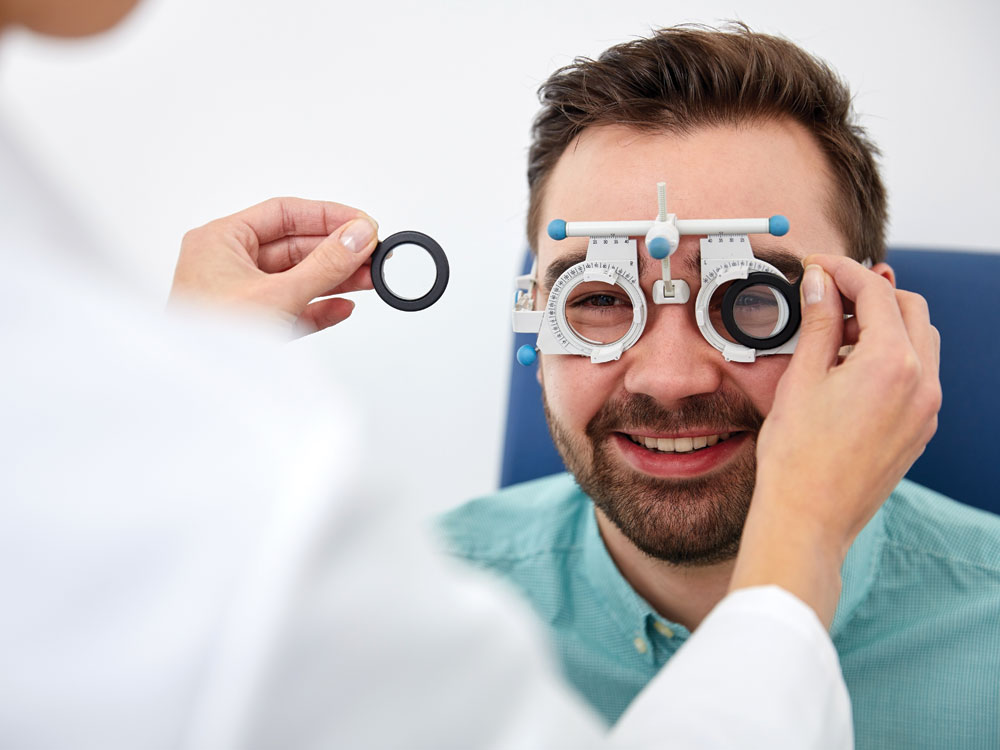
You may also be asked to look through different lenses. This is called refraction. It helps find the prescription that gives you the clearest and most comfortable vision.
This part of the exam is useful for people who already wear glasses or contact lenses. Prescriptions can change over time, especially for children, teens, and adults who do a lot of near work.
Step 3: Eye Focusing and Eye Teaming Checks
Clear sight is not only about prescription strength. Your eyes also need to focus well and work together smoothly.
During this stage, the optometrist may check how your eyes move, align, and adjust between near and far distances. These checks can help explain symptoms such as eye strain, double vision, or tiredness when reading.
For children, these tests can be especially helpful. A child may not always know how to explain vision problems. They may avoid reading, lose their place on a page, or sit too close to screens.
For adults, focusing issues may appear as near vision becomes harder with age. This is common and can often be managed with the right lenses.
Step 4: Looking at the Front of the Eye
A comprehensive exam may include checks of the front parts of the eye. This can include the eyelids, cornea, conjunctiva, iris, and lens.
The optometrist may use a special light and microscope to look closely at these areas. This can help spot dryness, irritation, inflammation, or signs of cataract.
This part is usually painless. You may just need to rest your chin on a support and look in different directions.
Step 5: Screening for Eye Health Concerns
Depending on the clinic and your needs, the eye care professional may also check eye pressure or use imaging tools to look at the back of the eye. These checks can support early detection of certain eye health concerns.
For example, glaucoma can develop without clear warning signs in its early stages. Cataracts can also build up slowly and affect vision over time.
Not every person will need the same tests. A good eye check should be based on your age, symptoms, risk factors, and lifestyle.
Step 6: Understanding Your Results
After the tests, the optometrist should explain the findings in simple terms. You may be told whether your prescription has changed, whether your current glasses still suit you, or whether further care is needed.
You may also receive advice on:
- Lens options for daily comfort
- Contact lens suitability
- Screen habits and eye strain
- Dry eye care
- Children’s myopia control
- When to return for another check
This discussion is important because the goal is not only to get a prescription. It is also to understand how to care for your eyes better.
How Often Should You Have an Eye Check?
Many people benefit from an eye check at least once a year, especially if they wear glasses or contact lenses. Children, older adults, and people with eye health risks may need more regular checks.
You should also book an appointment sooner if you notice sudden blur, eye pain, flashes, floaters, double vision, or changes in side vision. These signs should not be ignored.
Making Eye Care Feel More Personal
A good eye care visit should feel clear, calm, and easy to follow. You should be able to ask questions and understand why each test is being done.
Spectacle Hut’s VisionCAREPlus+ follows this type of personalised approach by starting with a lifestyle-based visual profile before moving into a professional eye exam and tailored recommendations. It is a natural fit for people in Singapore who want eye care that looks beyond a standard prescription.
Final Thoughts
A comprehensive eye examination gives you a better understanding of your vision and eye health. It can help detect changes early, guide better lens choices, and support long-term eye comfort.
Whether you are dealing with screen fatigue, blurry vision, or simply want peace of mind, regular eye checks are a simple step toward clearer and healthier sight.